
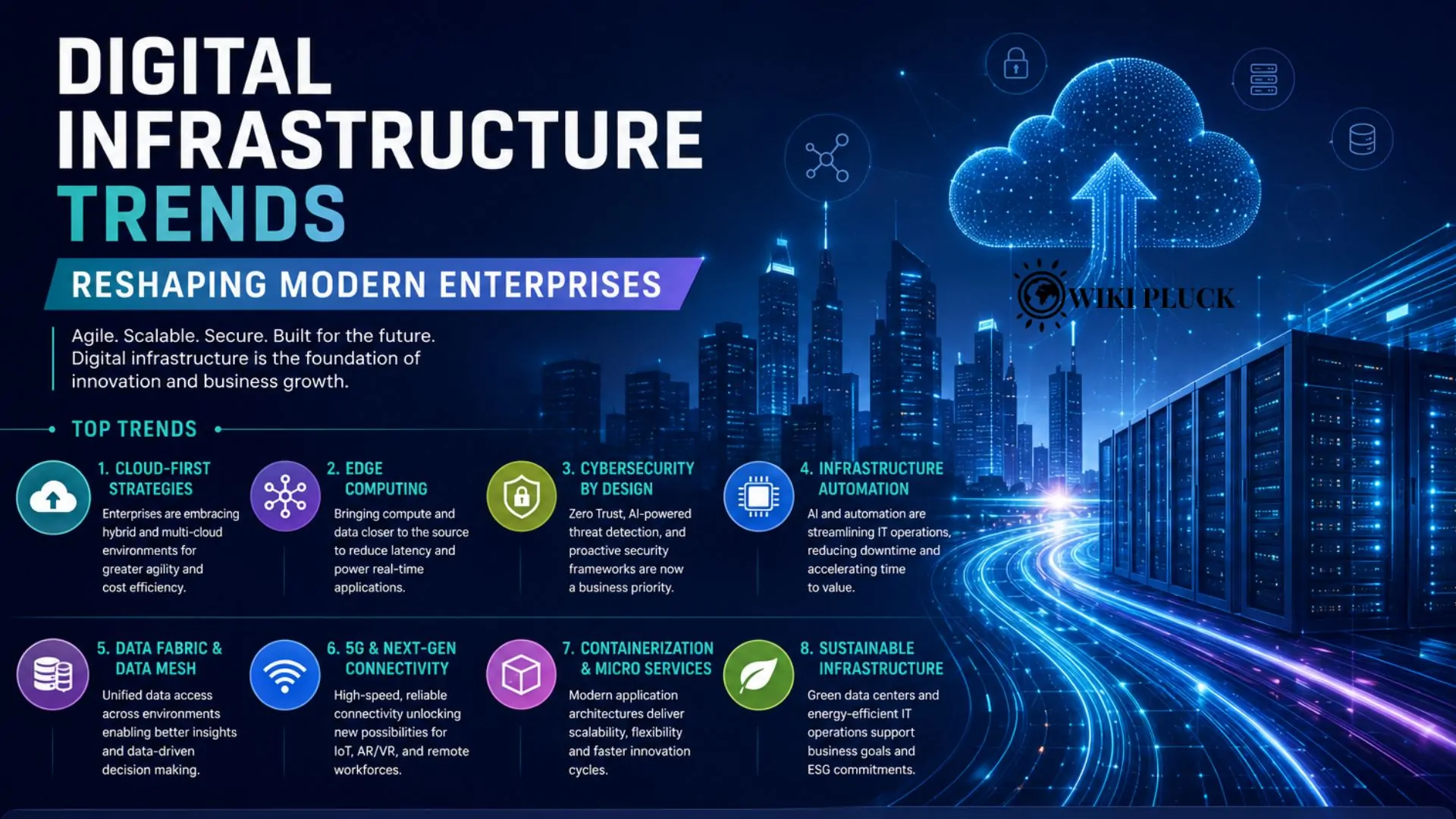
Digital transformation continues to redefine the way organizations operate, compete, and grow. One thing at the heart of this digital transformation is digital infrastructure, the framework that enables an organization to conduct its business, communicate and exchange information, manage data, and innovate through technology.
To maintain efficiency, security, and a long-term ability to respond to current and future business conditions while navigating increasingly complex digital environments; companies must invest in modern infrastructure.
Digital infrastructure consists of multiple different technologies, such as cloud-based computing solutions, data centers, networking systems, cyber security solutions, analytic solutions, and intelligent automation technologies.
When combined together as one system, these components create a digital infrastructure for the business to respond effectively to changing market needs and new technologies.
The Evolution of Enterprise Digital Infrastructure
Company technology has changed quite a bit over the last ten years. Most businesses used to keep all their servers and hardware in their own offices, but they have gradually moved toward more flexible digital systems.
Nowadays, it is common to see companies using a mix of cloud services and local setups. This makes it easier for employees to work remotely, collaborate in real time, and get to the files they need from anywhere.
This shift happened because businesses are now digital by default. They need systems that can handle more data than before and keep all their devices and software running properly.
It is not just about making things run faster anymore. The focus has shifted to building a setup that is easy to change whenever the business needs to adapt to new situations or take on new opportunities.
Also Read : How Technology Can Improve Senior Living: Embracing Digital Tools for a Better Quality of Life
Cloud Computing as a Core Infrastructure Component
Cloud computing has become a major part of how businesses handle their technology today. Instead of buying and maintaining a lot of physical servers, companies can use cloud platforms to get the resources they need as they go. This helps them manage data and apps more easily and usually costs less than owning everything themselves.
Because the cloud is accessible from anywhere, it also makes it much easier for people to work together even if they are in different places. This has been especially useful as more companies move toward remote or hybrid work. Another benefit is that businesses can set up new services quickly.
They can try out new ideas and scale their operations without having to spend a lot of money on expensive hardware right at the start.
Data Management and Advanced Analytics
Data has turned out to be one of the most important assets in today’s business organizations. The organization produces massive amounts of data by interacting with customers, operations, online transactions, and devices. Effective use and management of data require an efficient digital structure.
Through advanced analytical tools, organizations can turn their raw data into insights that help in strategizing, improving operations, engaging customers, and managing risks.
Industry observations related to the Global Artificial Intelligence Market (Mercado Global de la Inteligencia Artificial) suggest that organizations are increasingly integrating intelligent technologies with analytics platforms to enhance data-driven decision-making and improve business outcomes.
As data volumes continue to expand, investments in secure, scalable, and efficient infrastructure solutions remain a top priority for enterprises worldwide.
Artificial Intelligence and Intelligent Automation
Artificial Intelligence (AI) is increasingly being integrated into the technology ecosystem of organizations as a key technology for the organization. Companies are leveraging AI to automate processes and perform tasks efficiently and to help make informed decisions.
Through intelligent automation, companies can achieve efficient workflows in various departments such as finance, customer service, HR, supply chain management, marketing and others. These solutions help to minimize the time spent on manual tasks and increase efficiency.
Technological advancements in areas like machine learning, predictive analytics and natural language processing have led to increased adoption of intelligent technologies in various sectors. With continued advancements in AI technologies, the application of AI in organizations as part of the digital infrastructure will be much greater.
Cybersecurity in Modern Enterprise Environments
The expansion of digital ecosystems has really increased the importance of cybersecurity, like in a pretty direct way. As enterprises lean more heavily on digital infrastructure, protecting sensitive information and mission critical systems becomes a sort of strategic necessity, not just something “nice to have” anymore.
Modern cybersecurity frameworks tend to mix multiple layers of defense, identity management included, endpoint security there too, then threat intelligence, encryption technologies, and also automated monitoring systems. Many organizations are even moving toward proactive security strategies, built for catching and reducing risks before they turn into bigger incidents, kind of earlier than usual.
A solid cybersecurity foundation, beyond safeguarding business assets, also helps with regulatory compliance, customer trust and operational continuity.
Also Read : Security Testing in the Age of Cybersecurity Threats
Edge Computing and Real-Time Processing
The rising need for real time information has pretty much pushed along the adoption of edge computing technologies. Instead of the classic centralized way of doing it , edge computing handles the data nearer to where it’s actually produced ,so the delay drops and the system feels more responsive.
In places like manufacturing ,healthcare transportation logistics and retail, teams are using edge setups to back up connected devices and those mission critical workflows. In practice this improves overall performance while also easing the pressure on centralized infrastructure resources.
And then, when cloud computing and edge computing get paired together, it builds digital ecosystems that are more adaptable and efficient, able to carry a broader mix of today’s business applications.
Sustainable Technology Infrastructure
Sustainability has become an important consideration in enterprise technology planning. Organizations are increasingly evaluating the environmental impact of their digital operations and seeking ways to reduce energy consumption.
Energy-efficient data centers, optimized hardware utilization, renewable energy adoption, and sustainable IT practices are becoming key elements of infrastructure strategies. These initiatives help organizations achieve environmental objectives while improving operational efficiency and reducing long-term costs.
As sustainability expectations continue to rise, enterprises are expected to place greater emphasis on responsible technology investments and resource management practices.
Business Agility and Infrastructure Resilience
The agility of companies depends on having robust digital infrastructures that allow them to grow their business operations; quickly add new service offerings; and respond effectively to changes in marketplace conditions without causing considerable disruptions in productivity.
Resilient infrastructures help companies maintain continuity of business operations by reducing their overall downtime for their businesses, improving their capabilities for recovering from disasters, and providing for consistent levels of performance across their most critical systems.
Companies with modern digital infrastructures will typically have much greater abilities to take advantage of new opportunities and incidents as they arise and manage through the uncertainties they experience.
The increasing focus on infrastructure resiliency is evidence of the important role digital infrastructures will play in supporting the long-term success of companies today and into the future.
Emerging Trends Influencing Enterprise Infrastructure
Several trends continue to shape the future of digital infrastructure:
- Increased adoption of hybrid and multi-cloud environments
- Expansion of artificial intelligence and intelligent automation
- Growing demand for advanced cybersecurity solutions
- Rising investment in edge computing technologies
- Greater reliance on data analytics and business intelligence
- Continued focus on sustainability and energy efficiency
- Enhanced connectivity through next-generation networking technologies
These developments are driving innovation across industries and influencing how organizations design and manage their digital ecosystems.
Key Points
- Digital infrastructure serves as the foundation of modern enterprise operations.
- Cloud computing enhances scalability, flexibility, and operational efficiency.
- Advanced analytics supports data-driven decision-making.
- Artificial intelligence is transforming business processes and workflows.
- Cybersecurity remains a critical priority for enterprise resilience.
- Edge computing enables real-time data processing and responsiveness.
- Sustainable technology initiatives are influencing infrastructure strategies.
- Resilient digital ecosystems support long-term business growth and innovation.
Conclusion
The future and success of nearly all modern businesses will be impacted greatly by the development of digital infrastructure. An increasing number of businesses are leveraging cloud solutions, data analytics, and cyber security; AI (artificial intelligence) is also playing a big role in how organizations are running their businesses today. Overall, each of these technologies is helping change the way organizations are running their businesses and competing in the digital economy.
Additional findings in the Global Artificial Intelligence (AI) Market report show how enterprise networks will continue to evolve using intelligent technologies.
While organizations continue to work toward digital transformation through the use of intelligent technologies, having scalable, safe and reliable infrastructures will continue to have a significant impact on a business’ ability to grow and maintain its competitive advantage.
Modernizing infrastructure strategies will give organizations that do so today the ability to prepare for future challenges, accelerate the development of new products and services, and take advantage of new opportunities in a more connected world.
Frequently Asked Questions
What is digital infrastructure?
Digital infrastructure refers to the technology systems, networks, software, cloud platforms, and data resources that support business operations and digital services.
Why is digital infrastructure important for enterprises?
Digital infrastructure enables organizations to improve efficiency, strengthen security, support innovation, and adapt to changing business requirements.
What are the key components of digital infrastructure?
Major components include cloud computing, data centers, networking systems, cybersecurity solutions, analytics platforms, and automation technologies.
How does cloud computing support enterprise infrastructure?
Cloud computing provides scalable resources, flexibility, cost efficiency, and improved accessibility for business operations.
What role does artificial intelligence play in digital infrastructure?
Artificial intelligence supports automation, predictive analytics, intelligent decision-making, and operational optimization across various business functions.
How does cybersecurity contribute to infrastructure resilience?
Cybersecurity protects digital assets, prevents unauthorized access, reduces risks, and supports business continuity.
What is edge computing?
Edge computing processes data closer to its source, reducing latency and enabling faster responses for real-time applications.
Which digital infrastructure trends are expected to grow in the future?
Cloud adoption, AI integration, cybersecurity advancements, edge computing, sustainability initiatives, and data analytics are expected to remain significant growth areas.

As the driving force behind WikiPluck, I am dedicated to curating and sharing insightful knowledge across a spectrum of subjects. From technology trends to Business advice, WikiPluck strives to be a go-to resource for those seeking to enhance their understanding and make informed decisions.
Join me on this journey of discovery and enlightenment as we pluck the gems of wisdom from the vast landscape of knowledge.